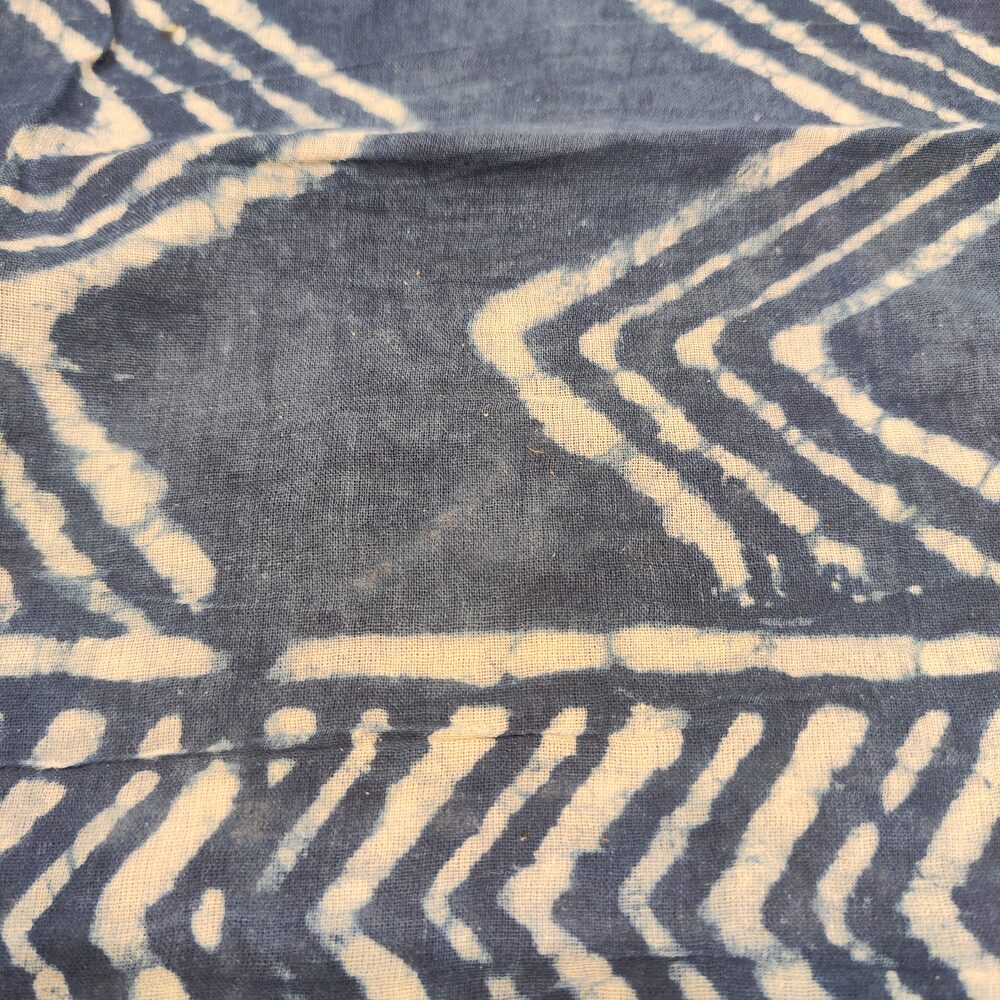
LACONA sarong in BATIK cotton with tribal patterns. The designs decorating the sarong are made using the batik technique. A typical and traditional workmanship for your ideal summer sarong. This is also a multi-purpose accessory, adaptable and easy to wear.
Batik is a decorative technique for fabrics called "resist-dyeing". Fabrics, preferably white and made of natural fibers of animal or vegetable origin (cotton and linen), are immersed in a dye bath after having reserved (i.e. covered) the areas that are not to be dyed, with wax melted in a double boiler and then allowed to cool before dyeing.
The process can be repeated several times, reserving other areas and dyeing with progressively darker colors. For this reason, each sarong is a unique piece and can vary in color and intensity precisely due to the artisanal process.
Furthermore, this cotton sarong with tribal patterns can also be used as a sarong, which is a large piece of cotton draped around the waist and worn as a skirt by men and women in many parts of Asia.
The fabric is often dyed with bright natural colors or worked with various geometries and patterns.
Discover all the specifications of this BATIK cotton sarong with tribal patterns!
This type of sarong is ideal to wear as
- skirt cover-up
- dress cover-up
- tube dress cover-up
- one-shoulder dress
- beach towel
- wall hanging (ethnic decoration)
- summer and/or winter scarf
- all-purpose cover
- summer baby wrap
How a handmade batik sarong is made: the processing phases
1. Wax application
The artisan traces the patterns on the fabric by hand with hot wax, protecting the areas that must retain their original color.
2. Dye bath
The sarong is immersed in the dye: the color penetrates the areas not covered by the wax, progressively revealing the batik design.
3. Rinse and dry
After dyeing, the fabric is rinsed and left to dry in natural light, revealing patterns, shades, and slight artisanal irregularities.

4. Final inspection
Once dry, the sarong is laid out, inspected, and hand-finished, checking for color uniformity, edges, and overall fabric quality.

The images are illustrative representations of the main phases of the batik process.