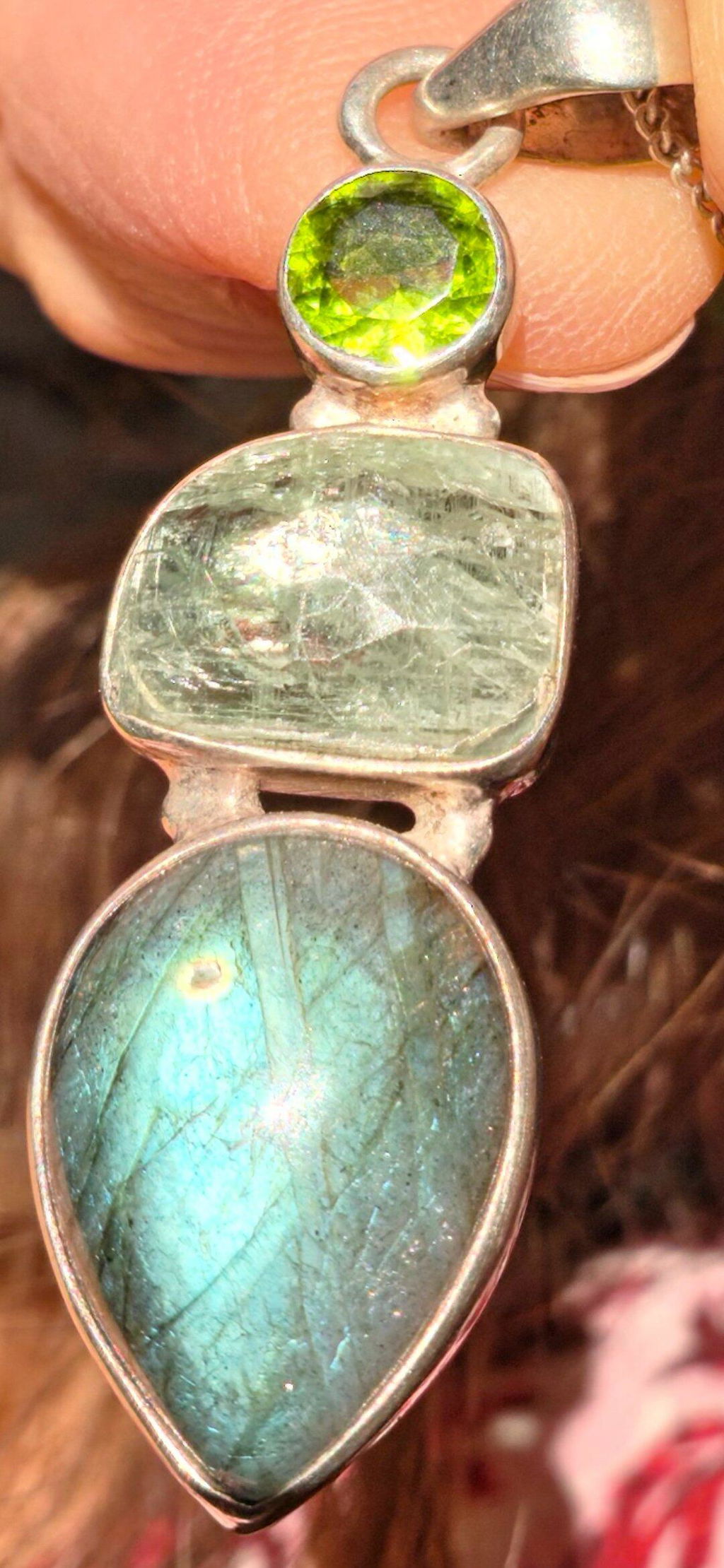
Antique jewelry artisan reproduction: complete guide
In brief:
- The artisanal reproduction of antique jewellery uses traditional techniques to maintain historical authenticity. These pieces are often handcrafted with materials such as 925 silver and 375 gold, distinguishing themselves from industrial productions by their three-dimensionality and unique finishes. Their quality can be verified through certifications, hallmarks, and attention to detail, offering cultural and symbolic value accessible to all.
The artisanal reproduction of antique jewellery is the manual creation of pieces that replicate or reinterpret historical models, keeping traditional goldsmithing art and the connection with the past alive. In the sector, the recognized technical term is high-fidelity philological goldsmith's replica, distinct from both the original piece and the industrial copy. This practice is not only about aesthetics: it preserves centuries-old techniques, tells stories of civilizations, and offers collectors and enthusiasts access to cultural symbols that would otherwise be unreachable. Il mondo di Wit works exactly in this space, where ethnic craftsmanship and historical memory meet in every piece.
What historical artisanal techniques are used for antique jewellery reproductions?
The most rigorous technique for historical jewellery reproductions is experimental archaeology: original artefacts are studied and reproduced using methods compatible with those of the era. The result is a philological fidelity that no mass production can achieve. An emblematic example is the Domagnano Treasure, reproduced from 2004 to 2022 using ancient methods and now exhibited in the State Museum of San Marino.
The most common manual techniques in traditional goldsmith workshops include:
- Filigree: gold or silver threads hand-twisted to form openwork patterns. The hand-finishing at the goldsmith's bench produces small imperfections that attest to authentic craftsmanship, impossible to achieve mechanically.
- Engraving with a burin: decorations engraved directly onto the metal with pointed tools, which give depth and movement to the surface.
- Claw or pavé setting: stones set by hand, with three-dimensional results that industrial productions cannot replicate.
- Lost-wax casting: an ancient technique in which a wax model is covered with refractory material, melted, and replaced by liquid metal.
In terms of materials, modern reproductions often use gold alloys like 375 gold or gilded 925 silver to maintain a historical look at an accessible cost. The replica of Charles III's crown follows this logic: over 300 cubic zirconia and an amethyst on a gilded silver base recreate the effect of the original, and it is on display at the Museo Accorsi Ometto until March 2026.
The difference between an artisanal and an industrial reproduction is visible to the naked eye. Industrial productions are mass-stamped, appearing flat and rigid. Artisanal ones show three-dimensionality, variable reflections, and a surface vitality that only the human hand can produce.

A tip: Before purchasing a reproduction, observe the back of the piece. An authentic artisanal jewel shows traces of manual workmanship even where it is not visible: small irregularities, hand-soldered joints, non-uniform finishes. An industrial piece is perfectly symmetrical at every point.

What cultural and symbolic value do antique jewellery reproductions hold?
Reproductions of historical jewellery are tools for cultural dissemination that allow public access to historical symbols without endangering the originals. This function is recognized by museums and institutions worldwide. The replica of Charles III's crown exhibited in Turin is the most recent proof of this: it brings the public closer to a symbol of Bourbon power without exposing the original to risks of deterioration or theft.
«Reproductions do not replace originals: they bring them to life. A jewel reproduced with philological fidelity carries the same system of symbols, the same proportions, the same visual grammar as the ancient one. Whoever wears or observes it comes into contact with a civilization, not a copy.»
Symbolism in antique jewellery is not decorative: it is narrative. A Roman ring with an engraved carnelian, an Ostrogothic fibula, a medieval pendant with cloisonné enamel communicate belonging, status, and religious beliefs. Artisanal reproductions transmit this visual grammar to those who do not have access to museums or cannot afford an original. To delve deeper into the link between artisanal objects and cultural identity in ethnic jewellery, the theme extends far beyond classical antiquity.
The difference between a museum object and an accessible replica is not just about price. The original is untouchable, protected by glass and controlled humidity. The reproduction can be worn, touched, given as a gift. This accessibility has concrete educational value: it brings younger generations closer to historical periods that otherwise remain abstract in textbooks.
How to recognize and evaluate a quality artisanal reproduction
Evaluating an artisanal reproduction requires method. Here are the main criteria, in order of reliability:
-
Certification of expertise and technical documentation. Requesting detailed certifications and an invoice that describes materials, hallmarks, and origin is the first step to distinguishing an authentic reproduction from an industrial imitation. Without documents, any claim of craftsmanship remains unverifiable.
-
Hallmarks and goldsmith's signature. A serious artisanal piece carries the metal's fineness hallmark (e.g., 925 for sterling silver) and often the workshop's signature or mark. Absence of hallmarks is a red flag.
-
Visual analysis of the surface. As mentioned, artisanal finishes show three-dimensionality and unique reflections. Use a magnifying glass: hand-soldered joints are visible, and connections are not perfectly uniform.
-
Workshop provenance. Goldsmith workshops with decades of experience offer personalized custom reproductions with unique signed pieces. Always ask for the workshop's history and, if possible, visit the workshop or request photographic documentation of the process.
-
Consistency between declared materials and appearance. A piece declared to be 18-carat gold must have the corresponding weight and colour. 925 silver has a specific lustre, different from gilded brass or zinc.
Keep in mind that reproductions are not always exact copies: sometimes they are enlarged or modified for aesthetic or theatrical purposes, as in fashion shows. This conscious variation is legitimate, but must be declared by the seller.
A tip: Always ask the seller or artisan to show you photos of the manufacturing process. A reputable workshop keeps photographic documentation of every phase: from design to casting, from finishing to delivery. Those who cannot show them probably have nothing to show.
To learn more about certifications for artisanal jewellery, there are specific guides that explain what to look for in technical documents.
How to commission or purchase an antique artisanal reproduced jewel?
Commissioning an artisanal reproduction follows a consolidated process that guarantees a personalized and quality result. Typical steps include:
- Design phase: provide the artisan with a drawing, photo, or detailed description of the piece you want to reproduce. The more information you provide, the more faithful the result will be.
- Material selection: decide on the base metal (925 silver, 375 gold, gilded brass), stones, and finishes. Materials influence both cost and daily durability.
- Project approval: the workshop produces a sketch or wax prototype. This is the time to request modifications before the piece is cast.
- Manual processing: the longest phase. For complex pieces with filigree or elaborate settings, times range from a few weeks to several months.
- Delivery and documentation: you receive the piece with a detailed invoice, verified hallmarks, and, ideally, photographs of the process.
Costs vary greatly based on the complexity of the piece and the materials chosen. A simple 925 silver pendant with engraved motifs can start from a few tens of euros. A faithful reproduction of a complex historical artefact, with natural stones and filigree, can exceed €500. The price reflects the manual labour time, not just the value of the metal.
Maintenance is an integral part of ownership. Silver oxidizes over time: clean it with a soft cloth and, for engraved parts, use a soft brush with lukewarm water and neutral soap. Avoid ultrasonic cleaners on pieces with glued stones or enamel. For artisanal vintage jewellery with intentional patina, aggressive cleaning destroys the antique effect that makes them unique.
If you are looking for inspiration before commissioning a piece, exploring examples of artisanal brass jewellery helps to understand what is technically possible with traditional techniques.
Key points
The artisanal reproduction of antique jewellery combines philological fidelity, traditional manual techniques, and concrete cultural value, clearly distinguishing itself from industrial production in terms of quality, uniqueness, and meaning.
| Point | Details |
|---|---|
| Historical artisanal techniques | Filigree, lost-wax casting, and burin engraving ensure fidelity and three-dimensionality impossible in series production. |
| Compatible modern materials | 925 silver and 375 gold reproduce the historical appearance at accessible costs without sacrificing aesthetic quality. |
| Quality recognition | Hallmarks, the goldsmith's signature, and technical certification are the main criteria for evaluating an authentic reproduction. |
| Cultural value of replicas | Reproductions make historical symbols accessible and promote heritage dissemination without risks to the originals. |
| Custom commission | The process includes design, sketch approval, and manual processing: times and costs depend on complexity. |
Why artisanal reproductions deserve more respect than they receive
I have worked with artisanal jewellery for years and have noticed a widespread prejudice: many enthusiasts treat reproductions as second-rate objects, almost apologizing for not owning an original. This attitude is wrong, and I say it with conviction.
An artisan who reproduces an Ostrogothic fibula from the 5th century is not copying: they are solving a technical problem that ancient goldsmith masters had already solved with primitive tools. Understanding how to do it today, with the same aesthetic results, requires years of study and practice. The Domagnano Treasure took almost twenty years of work to be faithfully reproduced. This is not minor craftsmanship.
There's also an aspect that is rarely discussed: high-quality artisanal reproductions are becoming collectibles in their own right. A piece signed by a recognized master goldsmith, documented and dated, acquires value over time exactly like a contemporary work of art. The signature counts as much as the technique.
My advice for beginners: don't immediately seek the perfect reproduction of a museum masterpiece. Start with pieces inspired by an era or culture, handcrafted with authentic materials. Learn to read the surface, to recognize the traces of the hand. Then, when you have an eye for it, you will know how to distinguish true craftsmanship from everything else.
— Il mondo di Wit
Artisanal jewellery inspired by the past: The Il mondo di Wit collection
Il mondo di Wit selects and offers artisanal silver pieces that carry the same visual grammar as antique jewellery: handmade craftsmanship, natural stones like lapis lazuli and turquoise, ethnic motifs rooted in millennia-old goldsmithing traditions.

Each piece is unique and documented. The ethnic antique silver pendant with ethnic ornaments is a direct example of craftsmanship inspired by the past, made with manual techniques on 925 silver. The Veda ethnic earrings in 925 silver show how traditional craftsmanship can produce everyday wearable pieces without losing historical depth. For those looking for an original gift with authentic cultural roots, the guide to artisanal jewellery as a gift offers concrete ideas. Browse the entire selection on Il mondo di Wit and find the piece that speaks your language.
Frequently asked questions
What is an artisanal reproduction of antique jewellery?
It is a piece manually created by a goldsmith that replicates or reinterprets a historical model, using traditional techniques such as filigree, lost-wax casting, or burin engraving, distinct from both the original and industrial copies.
How is an artisanal reproduction distinguished from an industrial one?
Artisanal reproductions show three-dimensionality, variable reflections, and small surface imperfections typical of manual workmanship. Industrial ones are flat, uniform, and lack traces of human intervention.
What materials are used in historical jewellery reproductions?
Modern reproductions often use 925 silver or 375 gold, which replicate the historical appearance at accessible costs. Some high-level replicas, such as that of Charles III's crown, use cubic zirconia on a gilded silver base.
How to commission a custom artisanal reproduction?
You provide the artisan with a drawing or photo, choose the materials, approve a sketch, and await the manual processing. Times vary from a few weeks to several months depending on the complexity of the piece.
Is a certification required to purchase an artisanal reproduction?
Requesting a detailed invoice with a description of materials and hallmarks is essential to verify artisanal authenticity and distinguish the piece from industrial imitations.