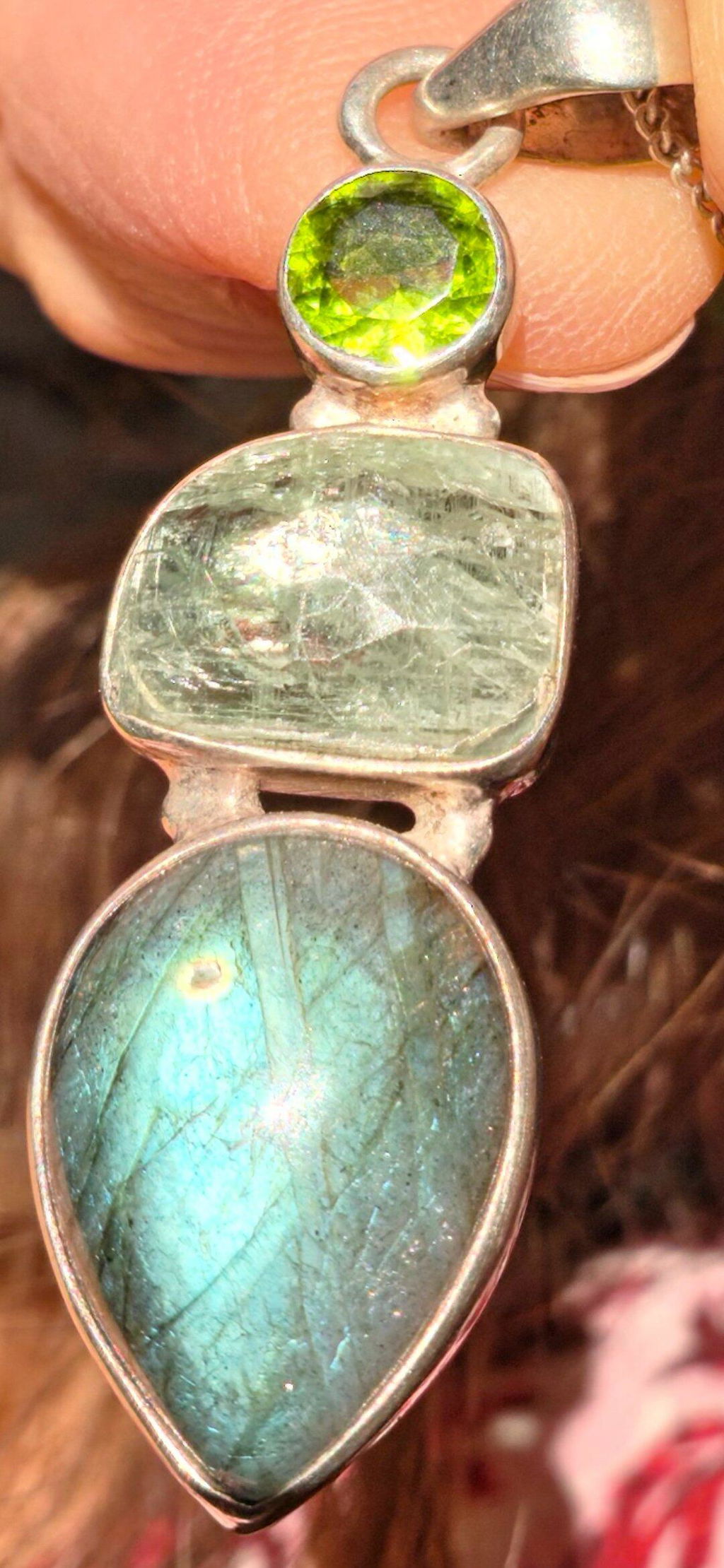
Slow fashion and artisan jewelry: 2026 guide
Slow fashion applied to artisanal jewelry means choosing products made with ethical materials, transparent processes, and design intended for longevity. This approach, also known as responsible ethical fashion, distinguishes itself from mass production through three pillars: supply chain traceability, artisanal authenticity, and respect for producing communities. In Italy, the demand for sustainable jewelry grows every year, driven by consumers who want to know exactly what they wear and who worked to create each piece. This guide provides you with the tools to choose consciously, recognize relevant certifications, and understand which trends are redefining the sector in 2026.
Slow fashion and artisanal jewelry: key materials and processes
Materials define a piece of jewelry's sustainability even before its design. Slow fashion artisanal accessories are recognized by the use of recycled metals, gems with verifiable traceability, and short supply chain production processes.
Recycled metals are the starting point. Recycled silver and gold reduce the extractive impact and are now available with verifiable content certifications directly from the refiner. The Fairmined brand certifies traceable gold extracted with good mining practices, with attention to environmental protection and the development of local communities. Choosing jewelry with Fairmined gold means directly supporting artisanal miners who adhere to precise social and environmental standards.
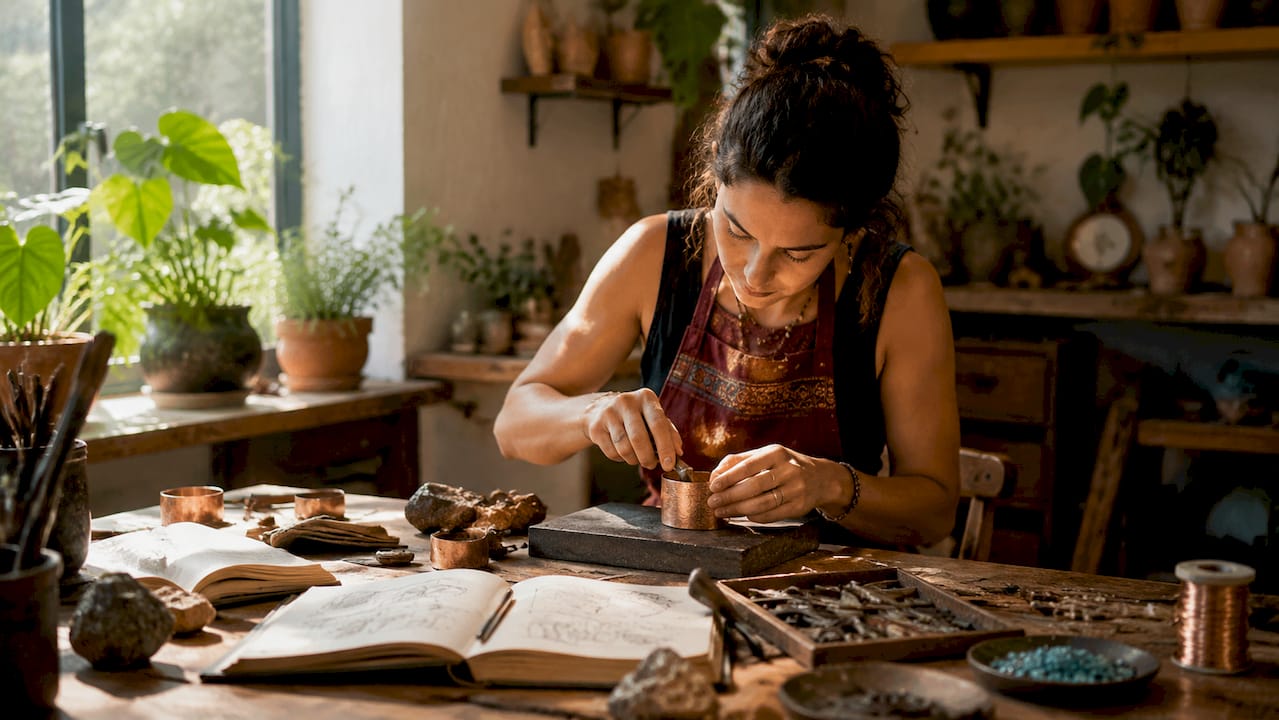
Gems are the second critical issue. Natural stones with documented traceability and lab-grown gems represent the two most transparent options today. Swarovski's lab-grown diamonds, for example, are produced with 100% renewable energy, while the gold and silver used in the settings are completely recycled. This measurably reduces the environmental footprint, not just declaratively.
Here are the material criteria that qualify a piece of jewelry as slow fashion:
-
Certified recycled metal: at least 90% recycled content, with a refiner's declaration
-
Traced gems: documented country of origin, preferably with Kimberley Process certification or equivalent
-
Short supply chain: limited number of steps between producer and final consumer
-
Repairable design: replaceable components, structure that allows for maintenance over time
-
Renewable energy: documented use in the production phase
The Swarovski Chroma Twist collection applies these principles with precise numerical parameters: at least 50% ReCreated™ crystals and 90% recycled metal, with a versatile design intended for longevity. These benchmarks are also useful for evaluating other brands: if a producer does not provide verifiable percentages, the sustainability claim remains vague.
Pro tip: Always ask for the recycled content declaration issued by the refiner, not just the brand label. This document is the true indicator of transparency and protects you from greenwashing.
How to recognize sustainable artisanal jewelry?
Recognizing truly responsible artisanal jewelry requires active verification, not just trust in the brand. Ethical fashion in Italy is based on transparency regarding materials, workmanship, and working conditions as pillars of conscious choice. In practice, this means asking precise questions before purchasing.
Follow this five-step verification sequence:
-
Ask for the metal's origin: the country of extraction and the refiner's name must be available upon request. An ethical seller will answer without hesitation.
-
Verify third-party certifications: RJC (Responsible Jewellery Council), Fairmined, and Fairtrade Gold are the most solid references. The new RJC COP 2024 standards require continuous due diligence on human rights and the supply chain, even for already certified suppliers.
-
Read recycled content declarations: a specific percentage is more reliable than a generic "sustainable materials" claim. Ask if the declaration comes from the refiner or only from the brand.
-
Assess stone traceability: for natural gems, ask for the gemological certificate and country of origin. For synthetic stones, verify if the producer declares the energy source used.
-
Observe the seller's communication: a slow fashion artisan or brand describes the production process, names suppliers, and explains design choices. Vagueness is a warning sign.
Certifications are verification tools, not absolute guarantees. Continuous due diligence remains essential even after seeing a label. A brand can be RJC certified and still have gaps in managing second-tier suppliers. For this reason, the checklist above should be used in conjunction with certifications, not as an alternative.
Pro tip: Search online for the brand name followed by "greenwashing" or "supply chain". Negative news about counterparts or suppliers is an indicator that no certification can replace.
What are the slow fashion trends in jewelry in 2026?
The sustainable artisanal jewelry sector in 2026 is moving in three directions: material circularity, versatile design, and authentic cultural narration. These are not aesthetic trends, but structural choices that redefine the value of an accessory.
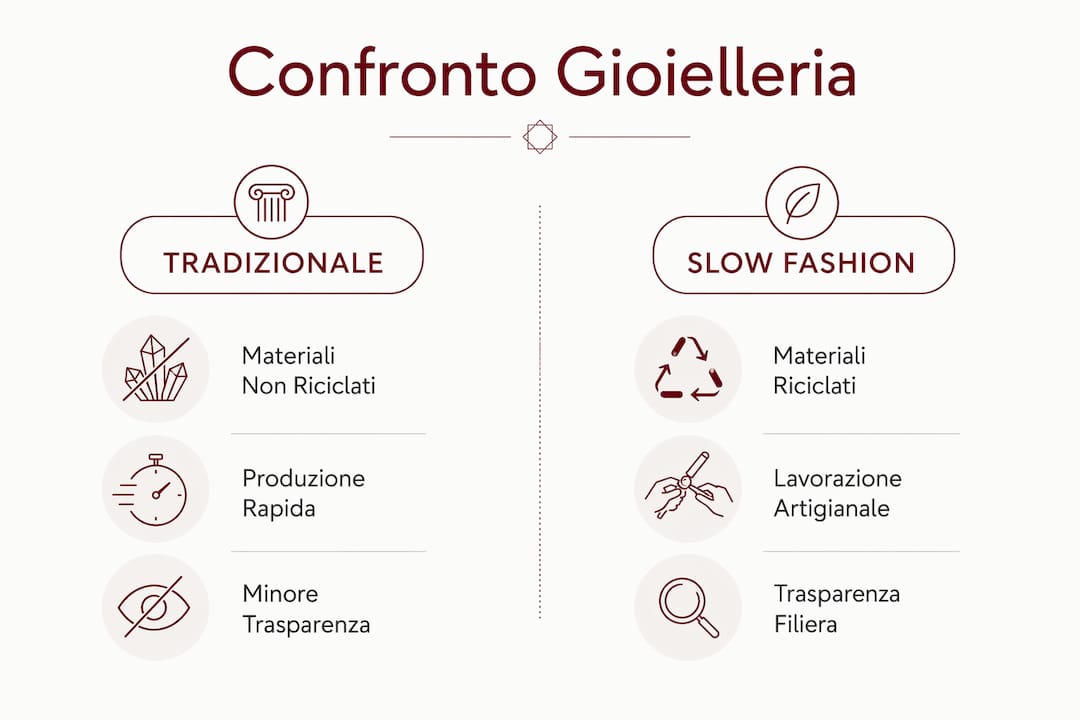
Comparison between traditional jewelry and slow fashion
| Feature | Traditional Jewelry | Artisanal Slow Fashion |
|---|---|---|
| Materials | Virgin metals, untraced gems | Certified recycled metals, gems with documented origin |
| Production | Long, often opaque supply chain | Short, transparent, and verifiable supply chain |
| Design | Seasonal, subject to obsolescence | Versatile, designed to last decades |
| Repairability | Often not provided | Structural component of the product |
| Environmental impact | High, rarely measured | Reduced, with declared parameters |
| Narration | Product marketing | Story of the artisan and the community |
The most relevant trends for 2026 include:
-
Documented circularity: brands like Swarovski with the Chroma Twist collection set public numerical benchmarks, pushing the entire sector towards greater quantitative transparency.
-
Renewable energy in production: the use of clean energy sources in manufacturing becomes a selection criterion for more informed consumers.
-
Valuing uniqueness: ethnic artisanal jewelry with natural stones like lapis lazuli, turquoise, and onyx responds to the demand for unique pieces with a verifiable cultural history.
-
Narration as value: slow fashion brands communicate the artisan's identity, the origin of raw materials, and the symbolic meaning of the piece. This transforms buying into a cultural act, not just a commercial one.
Interest in sustainable artisanal accessories in Italy reaches 87% of surveyed consumers. This data is significant because it reveals a huge gap between intention and practice: only 12% make concrete choices of recycling or responsible purchasing. This gap is the greatest opportunity for those who produce and sell slow fashion jewelry: to educate, not just sell.
Cultural and social impact of ethical artisanal jewelry
Slow fashion artisanal jewelry is not just sustainable objects. They are instruments of cultural preservation and direct economic support for producing communities. Each piece made by an artisanal goldsmith carries with it a transmitted technique, rooted symbolism, and a direct relationship between creator and buyer.
Practices that concretely support communities include:
-
Purchasing from certified Fairmined mining cooperatives: the premium paid goes directly to miners and their families, funding education and local infrastructure.
-
Choosing local artisans or short supply chains: reduces commercial steps and increases the share of value that remains in the production territory.
-
Preference for stones with documented cultural significance: lapis lazuli, turquoise, and onyx are not just aesthetic materials, but carriers of millennia-old traditions that deserve respect and knowledge.
-
Maintenance and care of jewelry over time: extending the life of an artisanal piece is already an act of responsibility. Knowing how to clean silver jewelry correctly reduces waste and unnecessary replacements.
"41% of global consumers are interested in responsible jewelry, but only 12% make recycling choices. In Italy, 87% express interest in sustainable jewelry." Source: Friend of the Earth, 2026
This data reveals that the barrier is not a lack of interest, but a lack of practical tools to translate intention into choice. Slow fashion in artisanal jewelry fills exactly this gap: it offers clear criteria, verifiable stories, and products that withstand time.
Key points
Slow fashion in artisanal jewelry requires certified materials, a transparent supply chain, and design for longevity to be authentic and not just declared.
| Point | Details |
|---|---|
| Certified materials | Choose metals with a refiner's declaration and gems with documented country of origin. |
| Certifications as a tool | RJC, Fairmined, and Fairtrade Gold are useful, but do not replace active due diligence. |
| Design for longevity | A repairable and versatile piece of jewelry is more sustainable than an "eco-friendly" but fragile one. |
| Intention-practice gap | 87% of Italians are interested, but only 12% buy responsibly: being informed is the first step. |
| Cultural narration | Ethnic artisanal jewelry brings verifiable cultural value, not just aesthetic. |
The sector changes, but slowly: my vision
I have worked with ethnic artisanal jewelry for years and have seen the sector transform in a real, albeit uneven, way. The biggest challenge is not technical: there is no shortage of recycled materials, certifications, or artisanal techniques. What is missing is the ability to communicate all of this credibly without falling into empty marketing.
I have observed brands using the term "sustainable" on products with completely opaque supply chains. I have seen certifications displayed as shields, while second-tier suppliers were never verified. The distinction between being certified and having performed real due diligence is the point that separates those who practice slow fashion from those who simulate it.
The advice I always give to those who want to choose consciously is simple: ask uncomfortable questions. Ask for the refiner's name. Ask where the stone was extracted. If the seller cannot answer, they are not the right supplier. The sector will evolve towards increasing transparency, driven by European regulations and more demanding consumers. Those who start asking these questions today are positioning themselves ahead of a change that is already underway.
— Il mondo di Wit
Buy ethnic artisanal jewelry with confidence
Il mondo di Wit is the Italian platform specializing in ethnic artisanal silver jewelry, with natural stones like lapis lazuli, turquoise, and onyx, made by artisans using traditional techniques. Each piece is unique, handmade, and selected for cultural authenticity and material quality.
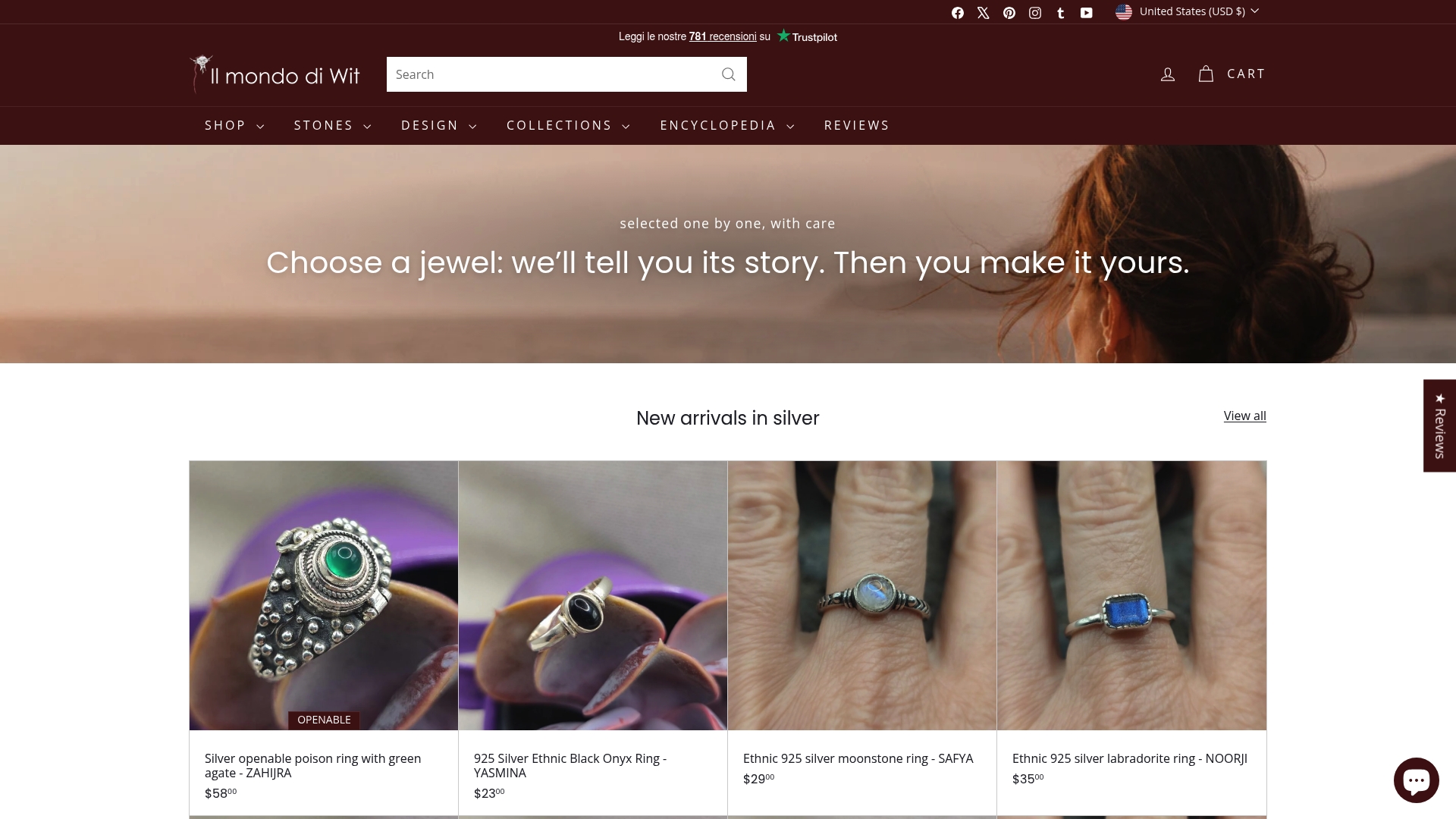
Choosing from a platform specializing in conscious shopping means accessing pieces with a verifiable history, not anonymous products. Ilmondodiwit offers rings, bracelets, pendants, necklaces, and accessories with spiritual symbolism and ethnic design, intended for those seeking sustainable style without sacrificing uniqueness. Explore the collection and find the piece that reflects your values.
Frequently asked questions
What is slow fashion applied to jewelry?
Slow fashion in jewelry is the choice of accessories made with ethical materials, a transparent supply chain, and design intended for longevity. It opposes mass production by prioritizing authenticity, traceability, and reduced environmental impact.
Which certifications guarantee sustainable jewelry?
The most reliable certifications are RJC (Responsible Jewellery Council), Fairmined, and Fairtrade Gold. The 2024 RJC standards require continuous due diligence throughout the supply chain, not just at the time of certification.
How do I avoid greenwashing when buying jewelry?
Ask for the recycled content declaration issued by the refiner and the country of origin of the gems. A supply chain verification with precise questions is more reliable than any generic label.
Is ethnic artisanal jewelry slow fashion?
Yes, when it is produced with traceable materials, by artisans using traditional techniques, and sold with transparency regarding the supply chain. Ethnic silver jewelry with natural stones like lapis lazuli and turquoise often meets these criteria by the nature of the production process.
How important is maintenance for the sustainability of jewelry?
Maintenance is an integral part of sustainable style. A well-maintained artisanal piece of jewelry lasts for decades, reducing the need for replacement. Cleaning and storing silver pieces with appropriate methods extends the product's life and its cultural value.